Programs to Inhibit Phone Phubbing Behavior: Strategies for a More Mindful and Engaged Life
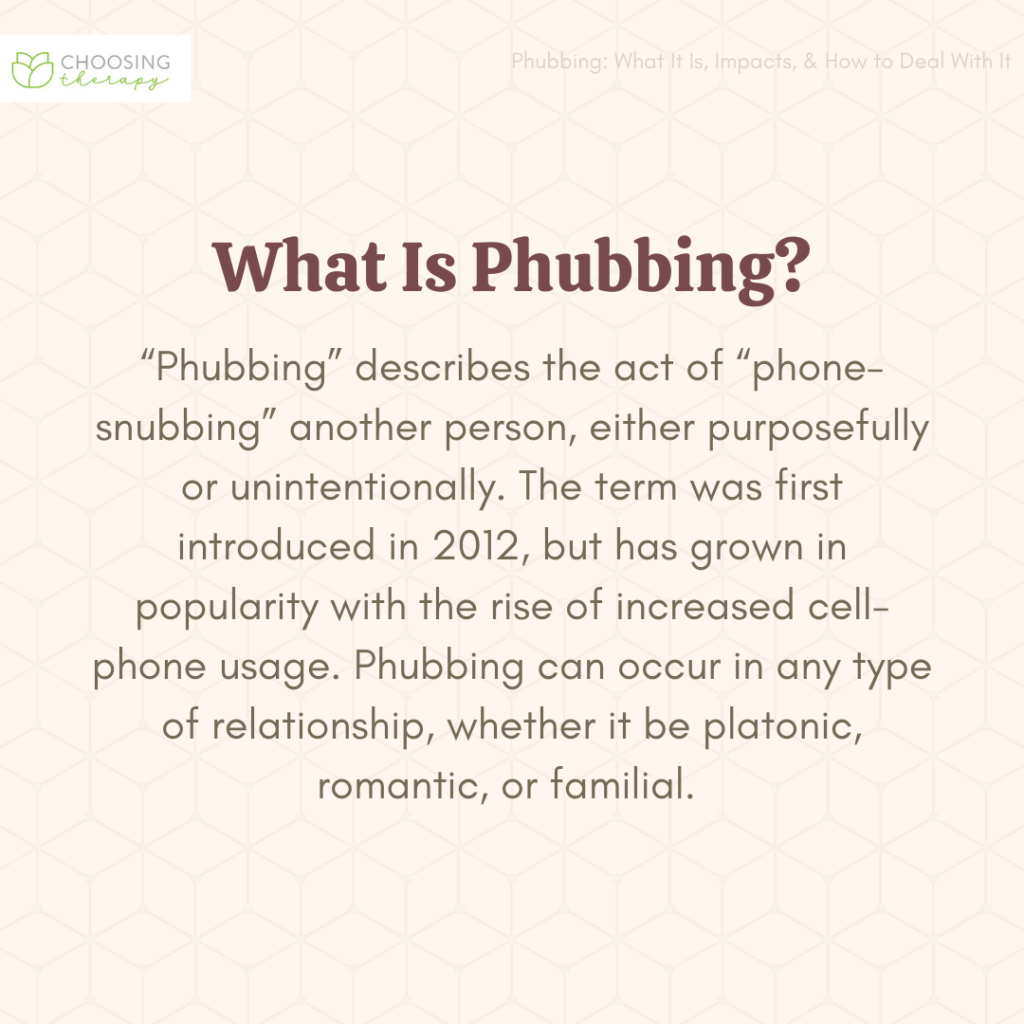
Phubbing, a term that combines "phone" and "snubbing," refers to the act of ignoring someone in your immediate presence by focusing on your smartphone instead. This behavior has become increasingly common in today's digitally driven world, where smartphones have become indispensable tools for communication, information, and entertainment. Phubbing can have detrimental effects on relationships, cognitive processing, and overall well-being. In recent years, research has started to focus on interventions like mindfulness, digital etiquette programs, and awareness campaigns to reduce phubbing behavior.
Understanding the Consequences of Phubbing
Phubbing can lead to negative consequences, including decreased relationship satisfaction, reduced social skills, and impaired cognitive processing. A study found that phubbing during social experiences can impede cognitive processing, affecting attention, memory, and mental health. Another study showed that phubbing in meetings and classrooms can lead to decreased productivity and decreased social skills. Furthermore, individuals who engage in phubbing behavior may experience increased feelings of loneliness, isolation, and anxiety.

Multiple factors contribute to phubbing behavior, including smartphone addiction, fear of missing out (FOMO), and social anxiety. Individuals who are addicted to their phones may be more likely to exhibit phubbing behavior, as they feel an intense need to constantly check their devices. FOMO, or the anxiety caused by the fear of missing out on social activities and experiences, can also lead to phubbing, as individuals feel compelled to stay connected and up-to-date. Individuals with social anxiety may also resort to phone use to avoid face-to-face interactions, a coping mechanism that can exacerbate their social anxiety.
Strategies to Inhibit Phubbing Behavior
- Set Boundaries and Prioritize Time**: Establish rules and boundaries with family and friends regarding phone use during social interactions. Prioritize face-to-face time and focus on engaging in activities and conversations.
- Practice Mindfulness**: Regular mindfulness exercises can help individuals become more aware of their phone use and its impact on relationships and mental health.
- Implement Digital Etiquette**: Teach children and adults alike to use phones responsibly, setting limits on social media use and avoiding phone use during meals and conversations.
- Develop Emotional Intelligence**: Cultivate emotional intelligence by recognizing and regulating emotions, increasing self-awareness, and developing empathy.
- Encourage and Support Relationships**: Foster close, meaningful relationships by prioritizing quality time with loved ones and engaging in activities that promote bonding and connection.
- Consider Technology-Based Interventions**: Utilize apps and software that track and limit phone use, providing insights into phone use habits and offering tools to manage phone addiction.
- Cultivate a Phone-Free Environment**: Designate phone-free zones and times, promoting a culture of mindful phone use and encouraging individuals to engage in activities and conversations.

Furthermore, visual representations like the one above help us fully grasp the concept of Programs To Inhibit Phone Phubbing Behavior.
Conclusion
Phubbing has become a pervasive issue in today's digital world, with far-reaching consequences for relationships, cognitive processing, and overall well-being. By understanding the causes of phubbing behavior and implementing strategies to inhibit it, individuals can cultivate healthier, more meaningful relationships and improve their mental health. By prioritizing face-to-face interactions, practicing mindfulness, and promoting digital etiquette, we can reduce phubbing behavior and create a more mindful and engaged world.
References:
Chotpitayasunondh, R., & Douglas, K. M. (2018). The Impact of Smartphone Addiction on the Well-being of Young Adults. Journal of Behavioral Addictions, 7(3), 435–445.